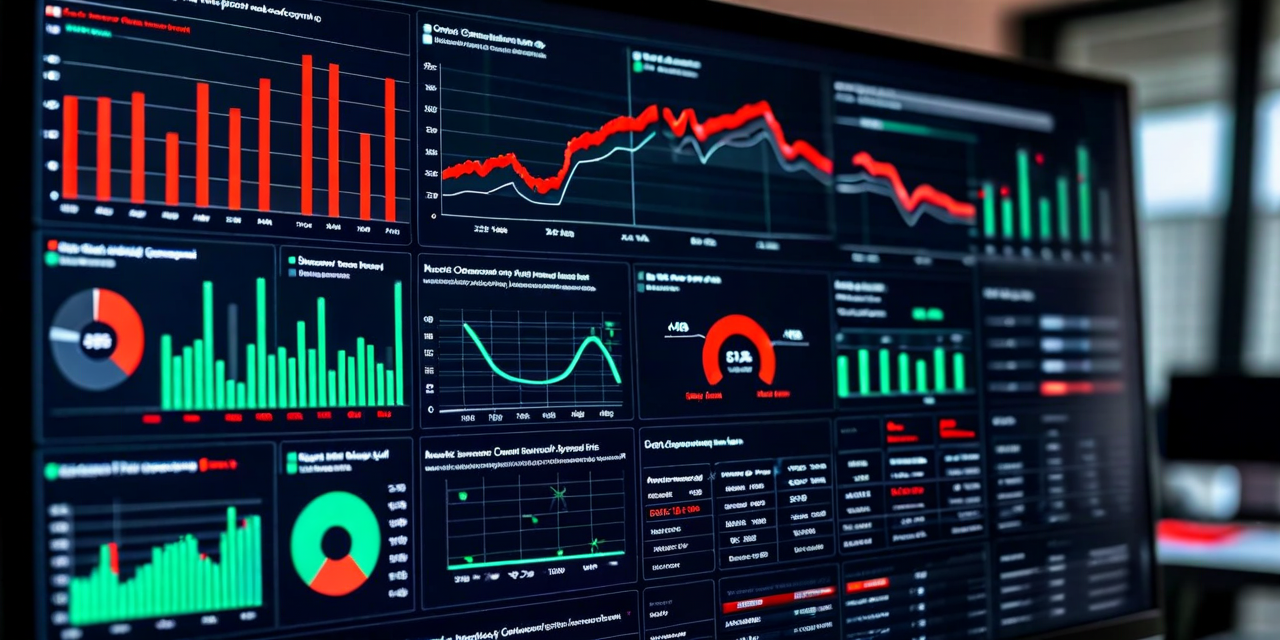
Most enterprises track too many KPIs and monitor the right ones too infrequently. The result is a paradox: organizations drowning in metrics but chronically surprised by the things that matter most. Revenue shortfalls, inventory crisis, churn spikes — these do not materialize overnight. They show up in the data weeks in advance, invisible only to teams relying on monthly or weekly reporting cadences.
Real-time KPI tracking is not about watching numbers change every five seconds. It is about compressing the feedback loop between what is happening in the business and when decision-makers become aware of it. The organizations that excel at this treat real-time visibility as a competitive weapon, not a monitoring checkbox.
Why Real-Time Matters More Than Ever
The pace of business operations has accelerated dramatically over the last decade. A social media post can shift consumer sentiment toward a product in hours. A supply chain disruption triggered by a port closure on the other side of the world can impact inventory availability in days. A competitor pricing change can deflect pipeline opportunities before your sales team sees the next weekly report.
In this environment, a dashboard that refreshes every 24 hours is not a real-time analytics tool — it is a slightly faster version of last month's report. Real-time KPI monitoring means data latency measured in seconds or minutes, anomaly detection that fires before a human analyst would notice the problem, and decision triggers that can initiate automated responses without waiting for a human to review a weekly summary.
Revenue and Commercial KPIs
Daily Recurring Revenue (DRR) vs. Target. For subscription businesses, ARR divided by 365 gives a clean daily benchmark. Tracking DRR against target with real-time visibility surfaces shortfalls within hours of when they happen — not at the end-of-month close when recovery options are limited.
Pipeline Velocity. The rate at which opportunities progress through sales stages multiplied by average deal value provides a forward-looking revenue signal. A declining pipeline velocity six to eight weeks before quarter end is a far more actionable warning than a missed revenue number after the quarter closes.
Customer Acquisition Cost (CAC) by Channel. Marketing spend efficiency degrades quickly when channel conditions shift. A real-time CAC dashboard that shows paid social CAC climbing while email CAC holds steady signals a channel allocation rebalancing opportunity before budget is wasted at scale.
Retention and Customer Health KPIs
Net Revenue Retention (NRR). For SaaS and subscription businesses, NRR (which accounts for expansion, contraction, and churn) is the single most important indicator of product-market fit and customer satisfaction. Tracking it monthly is standard; tracking it in near-real-time by cohort surfaces deteriorating customer segments before they become contractual losses.
Product Engagement Score. For software businesses, daily and weekly active user rates by feature area are leading indicators of renewal risk. A customer whose product engagement drops 40% in a quarter is significantly more likely to churn than one whose engagement is stable or growing. Predictive models trained on engagement data can identify at-risk accounts six to eight weeks before contract renewal, creating a genuine intervention window.
Support Ticket Volume and Resolution Time. A spike in support tickets in a specific product area often signals a quality issue before it surfaces in customer satisfaction surveys. Real-time monitoring of ticket volume by category, combined with unresolved ticket age, gives customer success teams early warning of emerging product problems.
Operational and Supply Chain KPIs
Inventory Days on Hand by SKU. For businesses with physical product, real-time visibility into inventory positions by location and SKU is the difference between proactive reordering and crisis stockout management. AI-driven demand forecasts integrated with real-time inventory data can trigger purchase orders automatically when predicted days-on-hand fall below a configurable threshold.
Order Fulfillment Rate. The percentage of orders fulfilled on time and in full (OTIF) is a direct leading indicator of customer satisfaction and repeat purchase behavior. A declining OTIF rate tracked in real-time surfaces operational capacity issues before they become customer-facing failures.
System Latency and Error Rates. For digital businesses, application performance KPIs — API response times, error rates by endpoint, transaction success rates — are operational revenue metrics, not just engineering concerns. A 200ms increase in checkout latency correlates directly with reduced conversion. Real-time monitoring with automated alerting is table stakes for any business where revenue flows through digital transactions.
Building Your Real-Time KPI Stack
The most effective real-time KPI implementations share three characteristics. First, a defined owner for each metric — someone who is accountable for the outcome, not just the measurement. Second, predefined response playbooks for common anomaly patterns, so that when an alert fires the team already knows what action to take. Third, regular audits of whether KPIs are actually influencing decisions, with ruthless pruning of metrics that are monitored but never acted upon.
Start with three to five metrics where real-time visibility would change a decision you currently make on lag data. Build confidence in the infrastructure, demonstrate business impact, and expand from there. The organizations that succeed at real-time analytics do not try to instrument everything at once — they start with the metrics that matter most and build outward from proven value.